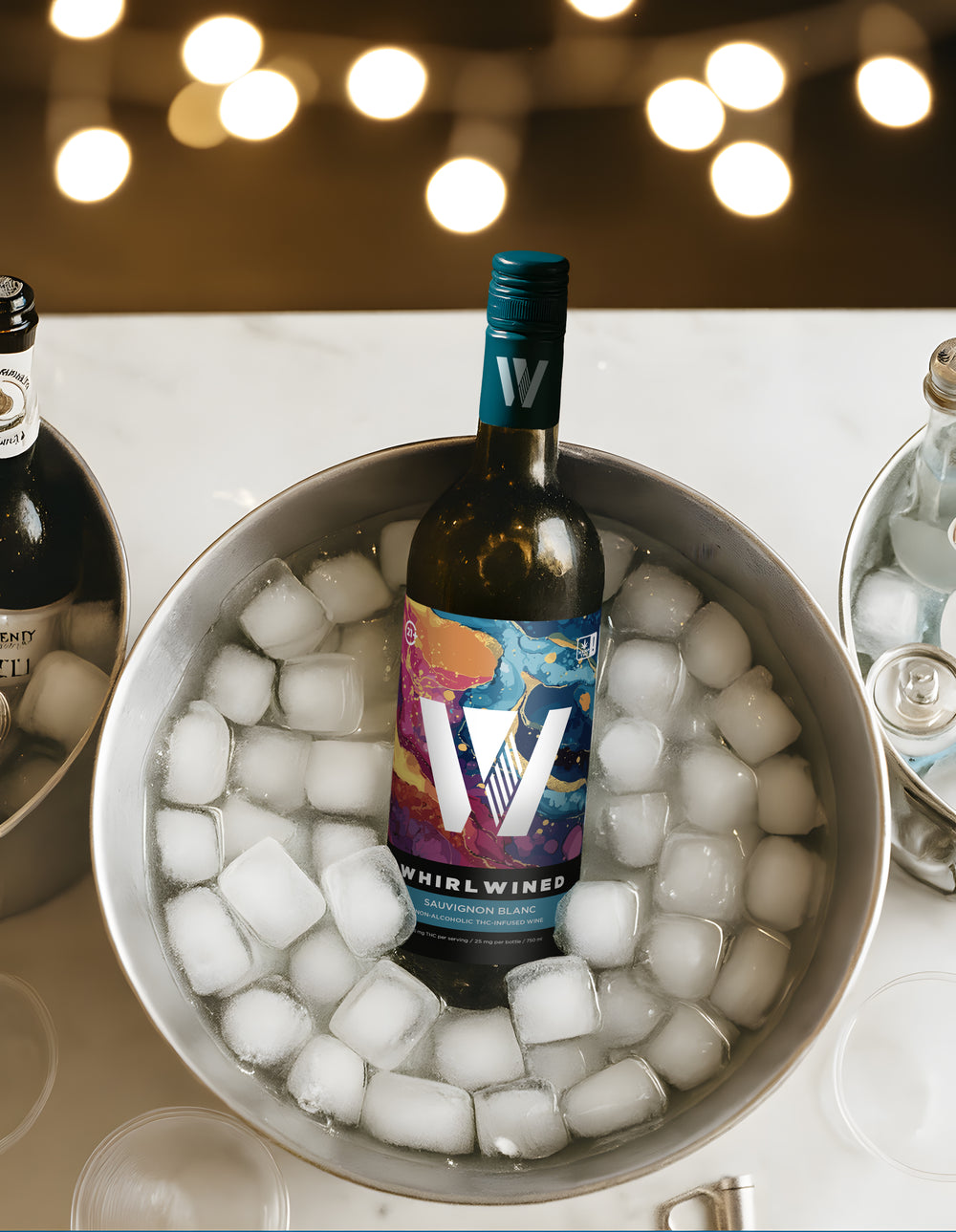
Why the Future of THC Beverages Goes Beyond Seltzers: The Rise of Real, Innovative Alternatives
The THC beverage market has exploded over the past few years, driven largely by one dominant format: flavored seltzers. While these products helped normalize cannabis-infused drinks and provided an easy entry point for consumers, the category has quickly become crowded, commoditized, and limited in its ability to evolve. As consumer sophistication grows, so does the demand for innovative THC beverages that offer more than carbonation and flavoring.
This is where non-alcoholic, THC-infused wine made from real grapes represents a critical and necessary evolution of the category.
The Limitations of THC Seltzers
THC seltzers dominate shelf space because they are relatively simple to formulate, cost-effective to produce, and familiar to consumers. However, most seltzers share the same fundamental characteristics:
-
Carbonated water base
-
Added natural or artificial flavors
-
Minimal texture or mouthfeel
-
One-dimensional consumption experience
While effective as a low-calorie, casual option, seltzers lack ritual, depth, and craftsmanship. They are typically consumed quickly and interchangeably, offering little brand differentiation beyond flavor variants and dosage. As the market matures, this sameness creates fatigue and limits long-term brand loyalty.
More importantly, seltzers fail to replace alcohol in meaningful social or culinary settings. They do not pair naturally with food, elevate an occasion, or replicate the intentional pacing associated with wine or spirits.
Why Innovation Matters in the THC Beverage Market
True innovation in THC beverages is not about louder flavors or higher potency. It is about creating products that fit naturally into existing cultural rituals. Wine has thousands of years of history tied to dining, celebration, and social connection. Reimagining wine in a non-alcoholic, THC-infused format allows consumers to step away from alcohol without abandoning those rituals.
A real, dealcoholized wine infused with THC offers:
-
Complexity instead of carbonation
-
Structure instead of sweetness
-
Experience instead of novelty
This shift moves THC beverages from a convenience product into a premium lifestyle category.
Real Wine vs. “Wine-Adjacent” Alternatives
Many products attempt to mimic wine using juice blends, flavor systems, or fermented substitutes. These “wine-adjacent” options may resemble wine visually but lack authenticity in production and flavor.
A non-alcoholic THC-infused wine made from fermented grapes is fundamentally different. It preserves varietal character, acidity, aroma, and mouthfeel, delivering an experience that seltzers simply cannot replicate. When THC is carefully integrated at controlled doses, it complements the wine rather than overpowering it.
Meeting the Needs of the Modern Consumer
Today’s consumers are increasingly mindful. They want moderation, transparency, and quality. They want alternatives to alcohol that feel intentional, not juvenile or disposable. Innovative THC beverages like non-alcoholic wine meet these expectations by offering:
-
Controlled, sessionable dosing
-
Familiar formats with elevated execution
-
Social acceptability across a wider range of settings
This is not about replacing seltzers. It is about expanding the category.
The Next Evolution of THC Beverages
As the market matures, the brands that will lead are those willing to move beyond the easiest path and invest in craftsmanship, authenticity, and cultural relevance. Seltzers opened the door. Innovative products rooted in real agricultural inputs and real traditions will define what comes next.
The future of THC beverages is not just carbonated.
It is curated.
It is intentional.
And it is built on real experiences, not just bubbles.